Top Chimney Safety Tips for NYC Apartment Buildings This Fall
Table of Contents
Top Chimney Safety Tips for NYC Apartment Buildings This Fall
Fall in New York City carries its own rhythm — the air cools, radiators thump back to life, fireplaces in older co-ops get their first spark of the season, and property managers race to make sure their buildings are ready for winter. For apartment buildings with chimneys, this transition isn’t just a routine checkup…it’s a major safety responsibility governed by strict city regulations.
And here’s the truth most NYC residents never hear:
A single neglected chimney in a multi-unit building can put dozens — sometimes hundreds — of lives at risk.
Between fire hazards, carbon monoxide leaks, aging masonry, outdated flue liners, and improper venting systems, the stakes are high. That’s why fall is the most important season for chimney inspections, chimney cleaning, and safety evaluations across Manhattan, Queens, Brooklyn, the Bronx, Staten Island, and even surrounding areas like Nassau County, Suffolk County, and Westchester County.
This guide breaks down the essential chimney safety steps NYC apartment buildings must take every fall to remain compliant with NYC building codes — and to protect every tenant and family who calls your building home.
Why Chimney Safety Matters More in NYC Apartment Buildings Than Anywhere Else
When you’re dealing with a high-rise or a multi-story apartment complex, everything connected to the chimney system multiplies:
- More units using heat means more exhaust.
- More appliances connected means more draft complications.
- More complex venting systems means more failure points.
- More residents means higher fire-risk consequences.
Think about it this way: a fireplace or heating flue in a single-family Long Island home vents for one household…
…but in a six-story prewar apartment building in Brooklyn, that same chimney might handle multiple boilers, gas fireplaces, water heaters, and even old coal chutes converted into modern venting systems.
These aging chimney structures face additional threats, including:
- noise vibrations from subway lines
- freeze-thaw stress cracks
- corrosive salt spray affecting rooftop masonry
- water penetration that rots the flue and brick
- draft problems caused by surrounding high-rises
In NYC, chimney safety is life safety, especially during the winter season when heating systems work the hardest.
The Most Common Causes of Chimney Fires in NYC (and How to Prevent Them)
Most chimney fires don’t start with visible flames — they start silently and internally.
The top causes include:
- Creosote buildup inside the flue liner
- Blocked venting systems (birds, debris, construction dust)
- Cracked or deteriorated flue liners
- Improperly sized metal chimneys
- Failed chimney caps allowing moisture and animals inside
- Old fireplaces that don’t meet modern safety protocols
- Unlined chimneys in prewar buildings
- Draft reversals caused by high-rise airflow patterns
And the biggest danger?
Residents typically don’t see or smell chimney fires early on. By the time alarms go off, flames have spread into walls, ceilings, or the smoke chamber — turning a preventable incident into a multi-unit emergency.
The National Chimney Sweep Guild, NFPA Code 211, and the NYC Department of Buildings all emphasize routine chimney sweeping services and certified inspections as the first line of protection.
Fall Inspections: What NYC Building Codes Require
NYC building codes are extremely strict when it comes to chimneys in multi-unit buildings. Fall inspections are critical because they identify issues before heating season begins.
A compliant NYC chimney inspection must include:
- inspection of the chimney flue, flue liners, and internal chimney linings
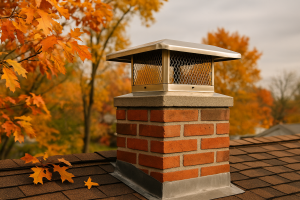
- verification of the chimney cap, spark arrestor, and crown
- checking for structural integrity of masonry
- testing the draft system and venting systems
- assessment of carbon monoxide risks
- ensuring the chimney is properly sized for boilers or gas appliances
- confirming smoke alarms and carbon monoxide detectors are installed and working
- evaluating creosote buildup, soot, and combustible debris
- verifying chimney height meets the 3-2-10 rule
- scanning for moisture intrusion or water damage
- video inspections to identify hidden cracks
- ensuring compliance with the building’s management plan
Apartment buildings connected to gas fireplaces, pellet stoves, older wood-burning fireplaces, or steam boilers must be especially careful because improper venting can cause carbon monoxide poisoning — one of the leading winter-season emergencies in NYC buildings.
Essential Fall Maintenance Steps for NYC Apartments With Fireplaces
Not all NYC apartments have working fireplaces, but the ones that do require meticulous fall preparation — even if the fireplace is used only a few times during the season.
Key fall maintenance tasks include:
- Professional chimney cleaning to remove creosote deposits
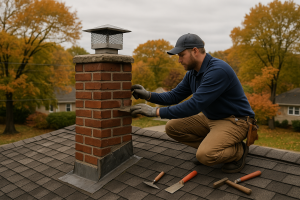
- Sealing or repairing the concrete crown
- Inspecting chimney caps to prevent blockages
- Checking for deteriorated masonry joints
- Ensuring fireplace dampers open and close properly
- Re-securing glass doors for older fireplaces
- Verifying smoke alarms and CO detectors in all apartments
- Installing smart detectors for enhanced safety
- Ensuring flues are clear before first seasonal use
- Testing draft for negative pressure issues common in high-rises
Modern NYC homes may feature electric fireplaces or ventless gas logs, but any system that impacts airflow must be checked to avoid building-wide draft reversals.
Landlords and co-op boards should also avoid DIY cleaning products like chimney sweep logs—they are not a replacement for certified chimney services.
The Role of Property Managers and Supers: Coordination & Compliance
Property managers in NYC carry heavy responsibility for chimney compliance, fall scheduling, and communication with tenants.
Typical responsibilities include:
- coordinating chimney sweeping services
- scheduling annual and mid-season chimney inspections
- ensuring compliance with NYC building codes
- verifying that smoke detectors and CO alarms are operational in every unit
- working with certified chimney companies like:
- Ageless Chimney
- Certified Chimney
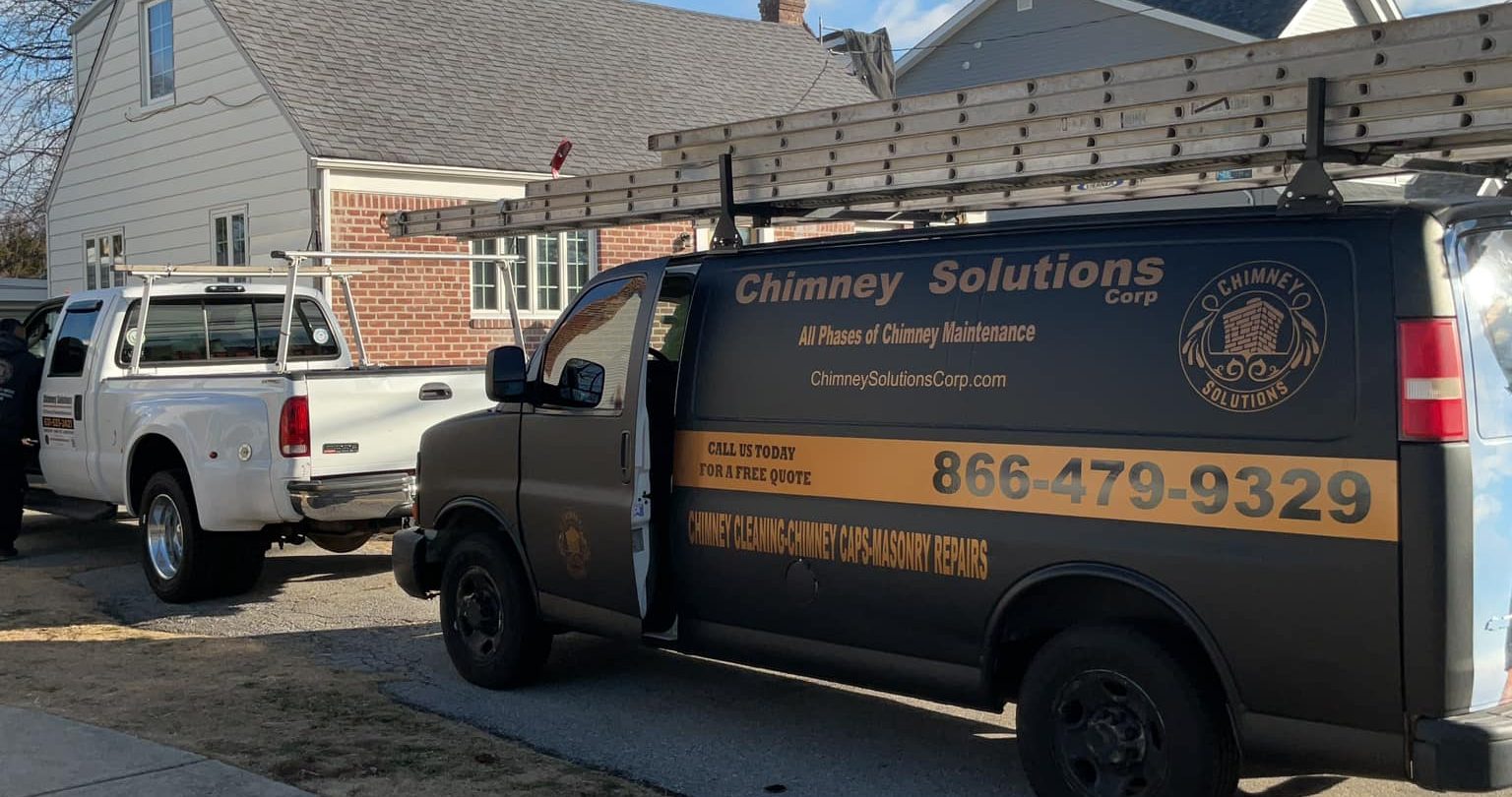
- Chimney Solutions Corp
- United Chimney
- New York Fireplace & Chimney Service
- Chief Fire Prevention
- Cunningham Air Duct + Chimney Services
- documenting inspection procedures for insurance and DOB compliance
- communicating restrictions on fireplace use
- ensuring seasonal maintenance checks (heating, boilers, HVAC tune-ups)
Property managers also must consider related systems: chimney fans, exhaust cleaning services, range hood systems, water heaters, sprinkler systems, electrical systems, and the building’s overall home system architecture.
In the age of LEED certifications and stricter NYC codes, keeping residents safe includes strong documentation and routine follow-ups.
Creating a Fall Chimney Safety Plan for the Entire Building
A smart NYC apartment building has a written fall chimney safety plan that covers:
- routine chimney cleaning
- chimney repair scheduling
- chimney relining for aging buildings
- maintenance schedule for boilers and water heaters
- real estate inspections readiness
- waterproofing systems to prevent freeze–thaw damage
- drafts and venting checks for multi-story buildings
- coordination with heating and cooling contractors
- frost protection strategies for rooftops
- installing or updating stainless steel liners
- ensuring chimneys serving multiple units meet capacity
- HEPA vac protections during cleaning in sensitive buildings
- tenant education for fireplace safety
This type of seasonal maintenance checklist protects the building during fall and also reduces winter-season emergencies.
It prevents:
- carbon monoxide poisoning
- chimney fires
- costly structural repairs
- tenant complaints
- DOB violations
- insurance disputes
- malfunctioning boilers
- emergency service calls during freezing temperatures
A well-maintained chimney system is more than compliance — it’s peace of mind for every family under your roof.
Recent Posts