The Ultimate Chimney & Fireplace Safety Checklist for Heating Season in New York
Table of Contents
The Ultimate Chimney & Fireplace Safety Checklist for Heating Season in New York
As fall settles into New York and the nights begin to cool, most homeowners start thinking about that first cozy fire of the season. But before anyone strikes a match, heating season also brings a surge in chimney-related hazards—from creosote buildup and blocked flues to hidden cracks, loose masonry, and carbon monoxide risks. I’ve heard countless stories from homeowners across Long Island, Queens, Brooklyn, and Westchester who thought their fireplace was “good enough” until they learned that an unnoticed issue inside the chimney liner or firebox could have turned dangerous fast.
This checklist walks you through the essential steps New Yorkers should take before firing up the chimney—helping you protect your home, your family, and your heating budget. It’s not meant to scare you; it’s meant to set you up for a safe, warm, and efficient heating season, especially in a region where winter weather exposes every weakness in a chimney system.
Schedule a Professional Chimney Inspection Before the First Frost
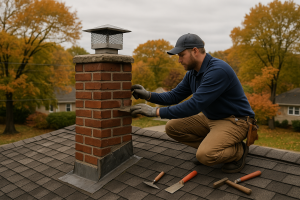
A professional chimney inspection is always the starting point. New York’s weather swings—from humid summers to freezing winters—take a toll on masonry. Creosote buildup forms quickly when temperatures drop, and moisture trapped inside the flue or brickwork leads to cracks, rusted metal components, and unstable mortar.
A certified technician will check:
- The flue system for blockages
- The chimney cap for rust or missing mesh
- The damper for proper movement
- The firebox for cracks or loose joints
- Signs of water leaks or staining
- Excess soot or hardened creosote
Many homeowners don’t realize that a simple inspection catches early warning signs of a potential chimney fire, smoke backup, or carbon monoxide leak before one cold night becomes a costly problem.
Clean the Chimney to Remove Creosote, Soot, and Fall Debris
If the inspection shows any level of buildup inside the chimney flue, it needs to be cleaned. Even a thin layer of creosote becomes flammable during winter burn cycles. In older New York homes—especially those with wood-burning fireplaces in Brooklyn brownstones or Suffolk County colonials—creosote tends to accumulate faster because the chimney structures absorb more moisture.
Chimney cleaning not only improves safety but also boosts heating performance. A clean flue means better airflow, stronger draft, and less heat loss. You burn less wood and your home stays warmer with less effort.
During a cleaning, the technician removes:
- Creosote buildup
- Soot residue
- Animal nesting material
- Leaves and twigs blown in during fall storms
This is especially important in homes near wooded areas or coastal neighborhoods where wind gusts carry debris right into open flues.
Inspect Your Chimney Cap, Crown, and Flashing for Weather Damage
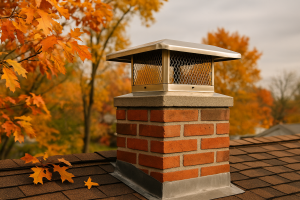
The chimney cap, crown, and flashing together make up your chimney’s first line of defense against harsh New York weather. The cap keeps out animals and rain, the crown seals the top, and the flashing prevents leaks where the chimney meets the roof.
If any piece is damaged, your home becomes vulnerable to:
- Water intrusion
- Mold inside the flue
- Masonry deterioration
- Rusted metal components
- Chimney odor issues
- Structural damage from freeze-thaw cycles
Most leaks that show up in December or January actually begin with small cracks or loose flashing discovered in September or October. This is the season to catch them.
Check Indoor Safety Devices: Carbon Monoxide Detectors & Smoke Alarms
Whether you burn wood or gas, every New York home needs functioning carbon monoxide detectors and smoke alarms—especially before heating season. It doesn’t matter how modern your fireplace is; gas fireplaces, wood-burning stoves, pellet inserts, and even ventless systems can produce fumes or smoke if airflow is blocked.
Test the alarms, replace batteries, and make sure there’s a detector:
- Near sleeping areas
- On every level of the home
- Near the fireplace room
- Near the basement or mechanical area
Fire departments across Nassau and Suffolk County consistently warn that improperly maintained chimneys are among the top causes of winter house fires and carbon monoxide incidents. A few minutes of testing now can prevent a life-threatening situation later.
Prepare the Fireplace Itself: From Firebox to Firewood
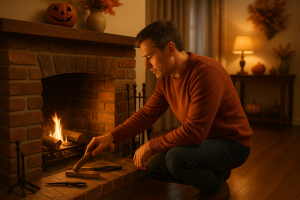
Once the chimney and safety systems are ready, it’s time to prepare the fireplace so it burns clean, steady, and efficiently. Inspect the firebox for cracks, loose bricks, or missing mortar. Make sure the damper opens fully and that soot hasn’t clogged the smoke shelf.
Use only seasoned firewood with low moisture content. Wet or freshly cut wood creates more smoke and contributes to creosote formation. Store firewood off the ground and away from the house to avoid pest issues.
Finally, give your fireplace tools a once-over. A sturdy poker, shovel, and spark-blocking screen make your fires easier to manage and safer to enjoy.
Recent Posts