How Commercial Chimneys Differ from Residential Chimneys
Table of Contents
When most people think of a chimney, they imagine a traditional brick stack rising above a cozy home. But chimneys serve a far broader purpose than venting smoke from wood-burning fireplaces. In commercial settings—where heating demands, safety regulations, and environmental factors are more complex—chimneys are highly engineered systems built to handle greater stress and function under more demanding conditions.
While the basic concept of venting combustion gases remains the same, the design, materials, and regulatory requirements of commercial chimneys differ significantly from their residential counterparts. Understanding these differences is essential not just for builders and property owners, but also for anyone interested in safe, efficient, and code-compliant chimney systems.
Design and Structural Differences
At their core, both residential and commercial chimneys must safely channel exhaust gases away from the interior of a building. However, the scale and function of the building determine how the chimney is designed and constructed.
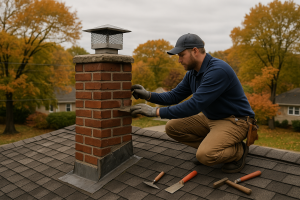
Residential chimneys are generally simpler in form and function. Typically made from masonry—such as brick or stone—they are built to accommodate smaller heating appliances like wood stoves, fireplaces, and gas furnaces. A traditional masonry chimney may be lined with clay flue tiles or, in more modern constructions, with stainless steel or metal chimney liners to improve safety and performance.
Commercial chimneys, by contrast, are built to handle much larger volumes of hot gases and serve multiple combustion chamber appliances at once. These systems often incorporate structural steel, refractory bricks, and insulated flue liners designed to resist corrosion and withstand extreme temperatures. They also must accommodate the physical stress of rising dozens—sometimes hundreds—of feet above large buildings, making structural reinforcements critical.
Due to the potential safety and liability risks, commercial chimneys are typically designed and reviewed by engineers to meet strict local and national building codes. For a deeper understanding of structural requirements, the International Code Council offers clear guidelines based on use type and occupancy.
Height and Draft Requirements
One of the most noticeable differences between commercial and residential chimneys is height. Chimney height plays a crucial role in creating an effective draft—the upward flow of air that allows combustion gases to exit safely and efficiently.
For residential properties, the 3-2-10 rule is a standard guideline: the chimney must extend at least 3 feet above the point it penetrates the roof and 2 feet higher than anything within 10 feet horizontally. This helps ensure that wind patterns don’t interfere with the chimney’s ability to draft. Improper height can lead to smoke backing into the home or inefficient fuel burning.
Commercial chimneys require more nuanced calculations. Because they often serve multiple appliances or industrial processes, they need to create a consistent draft over longer vertical distances. Factors like air pressure, neutral pressure plane location, and mechanical draft systems may need to be considered. Tall commercial stacks are also necessary to help dilute pollutants and comply with EPA regulations for toxic gases and carbon monoxide emissions.
For more on chimney draft science, the Wood Heat Organization provides helpful diagrams and explanations.
Material Composition and Durability
The materials used in chimney construction can impact both safety and longevity. In residential buildings, most chimneys are either traditional masonry chimneys or prefabricated chimneys. Masonry systems often use mortar, brick, and clay flue liners. These materials are durable and resistant to heat, but they do require regular inspections to check for creosote buildup, cracking, or deterioration due to moisture.
Factory-built chimneys—also called prefab chimneys—are common in modern homes. These systems are typically made from sheet metals like stainless steel and are pre-engineered to work with specific heating appliances, including wood-burning stoves and gas appliances. Many include built-in insulation to protect nearby combustible materials and reduce heat transfer.
In commercial buildings, the need for long-term performance under intense conditions has led to the use of more advanced materials. Galvanized steel, refractory mortars, and high-temperature insulative materials are common. These chimneys often need to resist corrosive byproducts produced by commercial-grade furnaces, industrial boilers, and manufacturing exhaust systems.
Functionality and Appliance Compatibility
The types of appliances served by a chimney directly influence how that chimney must be constructed and maintained.
In a home, a chimney may serve a wood-burning fireplace, electric fireplace, hot water heater, or gas utility appliance. These appliances produce a manageable amount of exhaust gases, allowing residential chimneys to be smaller and less complex. However, they still require proper installation and ventilation to avoid risks such as carbon monoxide exposure or backdrafting.
Commercial chimneys, on the other hand, often serve a wide range of appliances—including commercial ovens, heating systems, generators, and more. The variety of equipment, combined with higher exhaust volumes and temperatures, demands more complex venting systems. Some systems include mechanical draft devices or draft hoods to ensure consistent airflow and safe operation.
Chimney designs must also consider combustible materials, appliance-specific flue sizes, and termination points for effective air circulation and safe combustion.
Aesthetic Considerations
Residential chimneys often serve as architectural features, designed to complement the home’s exterior. Chimney cowls, chimney pots, and even decorative chimney stacks are common additions that enhance a home’s appearance. Modern fireplaces often prioritize aesthetic appeal, blending function and design to improve home value.
In contrast, commercial chimneys are built purely for function. Their designs prioritize efficiency, regulatory compliance, and ease of maintenance. Aesthetics are secondary—if considered at all—though in certain commercial buildings like hotels or historic properties, some effort may be made to conceal or stylize the chimney stack.
Safety, Maintenance, and Code Compliance
No matter the building type, chimney safety depends on adherence to strict codes and routine maintenance.
In residential applications, annual inspections by certified chimney professionals are essential to prevent issues like creosote deposits, chimney fires, and carbon monoxide leakage. Tools like chimney liners, caps, and clean-out doors aid in proper maintenance. The Chimney Safety Institute of America recommends that homeowners have their chimneys inspected once a year and cleaned as needed.
Commercial systems are subject to more frequent and rigorous inspections due to their larger scale and higher risk profile. Maintenance is often scheduled quarterly or biannually, depending on usage. Codes often require documentation of inspections, proof of proper liner installations, and specific clearances for nearby combustibles.
The NFPA 211 standard is the primary safety guideline for chimney systems and covers everything from installation instructions to ongoing performance assessments.
Environmental and Energy Considerations
Both residential and commercial chimneys affect more than just indoor comfort—they influence a building’s energy efficiency and environmental footprint.
Residential chimneys, when poorly insulated or unsealed, can become points of energy loss. Heated air from inside the home can escape through the flue, especially in older homes without insulated assemblies or properly installed flue liners. Draft issues can also affect the fireplace function, causing inefficient burns and increasing heating costs.
In commercial settings, poor draft control or inadequate venting can lead to increased fuel consumption, emissions of exhaust gas, and higher utility bills. This makes advanced chimney design an essential component of energy-efficient buildings. Solutions may include energy recovery ventilators, automated dampers, and improved chimney health and performance monitoring systems.
For both settings, maintaining chimney health is also important for indoor air quality, especially with the growing awareness of carbon monoxide poisoning. The EPA provides guidance on maintaining clean air inside buildings by ensuring safe combustion and proper ventilation.
Conclusion: Choosing the Right Chimney for Your Property
The difference between commercial and residential chimneys goes beyond scale—it affects the entire system’s safety, performance, and compliance. Choosing the right type of chimney depends on your heating needs, appliance specifications, and long-term maintenance capacity.
Residential chimneys should provide safe, efficient operation for daily home use and complement the property’s design. Commercial chimneys must prioritize durability, code compliance, and the ability to support high-output heating systems over extended periods.
Regardless of setting, routine regular maintenance by trained professionals, adherence to up-to-date building codes, and informed material selection are non-negotiables. Whether you’re managing a small home or a large facility, investing in the right chimney system can help ensure safe operations, energy efficiency, and peace of mind for years to come.
Recent Posts